
Published by RTM Engineering | Engineering Insights | 7 min read
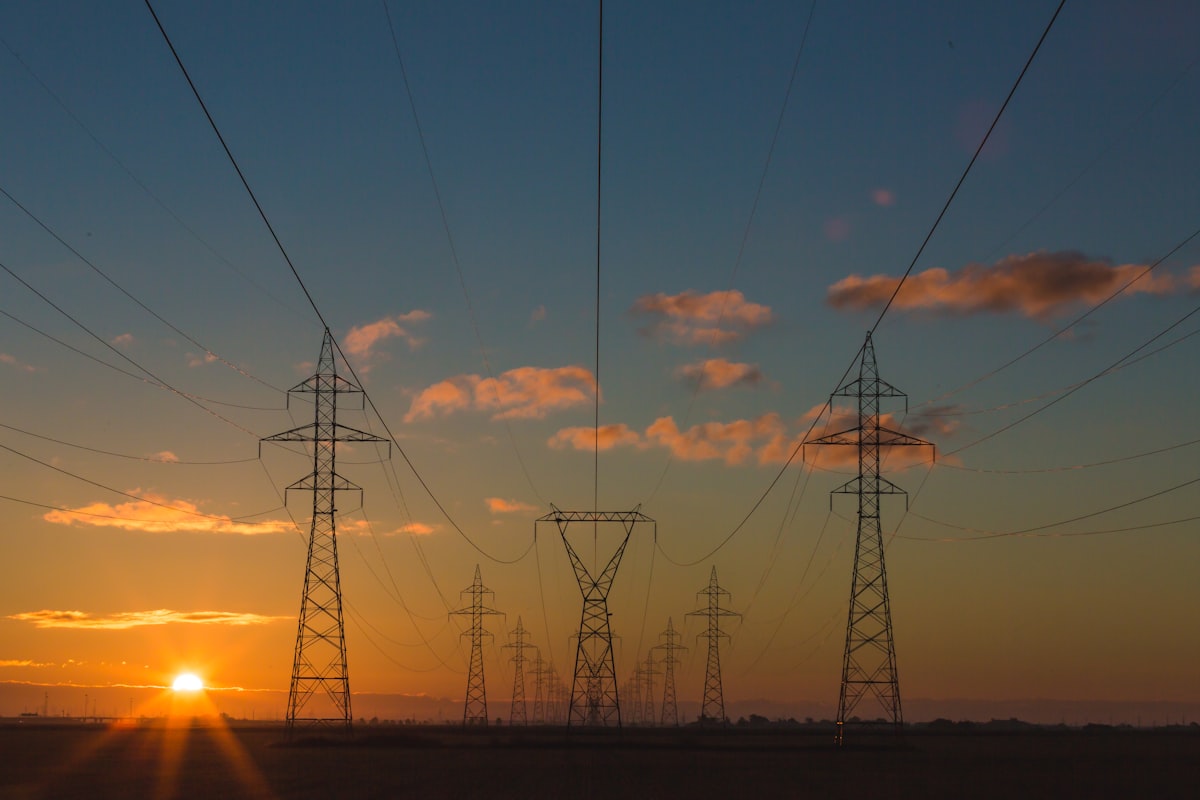
South Africa’s electrical engineering sector stands at a defining crossroads. After more than a decade of widespread load shedding, an ageing national grid, and deepening energy insecurity, the country is now witnessing a structural shift that is reshaping the profession, creating new opportunities, and demanding a new generation of skilled engineers. For engineering firms like RTM Supply & Engineering Services, this transformation is not a distant trend — it is the context in which we operate every day.
The Load Shedding Legacy: Where South Africa Stands
South Africa experienced its worst recorded load shedding in 2023, with Stage 6 power cuts becoming a near-daily reality for millions of citizens and businesses. At its peak, the country lost an estimated R899 million per stage per day in economic output, according to the South African Reserve Bank. The cumulative impact on industrial productivity, business confidence, and quality of life was profound.
The root cause was well-documented: decades of deferred maintenance on Eskom’s ageing coal-fired fleet, compounded by poor procurement planning, skills shortages, and systemic underinvestment in new generation capacity. Medupi and Kusile power stations — intended to be the solution — were delivered years late and billions over budget, with ongoing technical challenges that continue to affect availability.
However, since mid-2024, South Africa has recorded its longest stretch without load shedding in years. While cautious optimism is warranted, grid experts are clear: the improvement is fragile, and the structural reforms required to secure long-term energy reliability are still a work in progress.
The Energy Transition: Renewables Take Centre Stage
The most significant structural development in South African electrical engineering in recent years is the accelerating shift toward renewable energy. Several converging forces are driving this transition:
1. The REIPPPP — Renewable Energy Procurement Programme
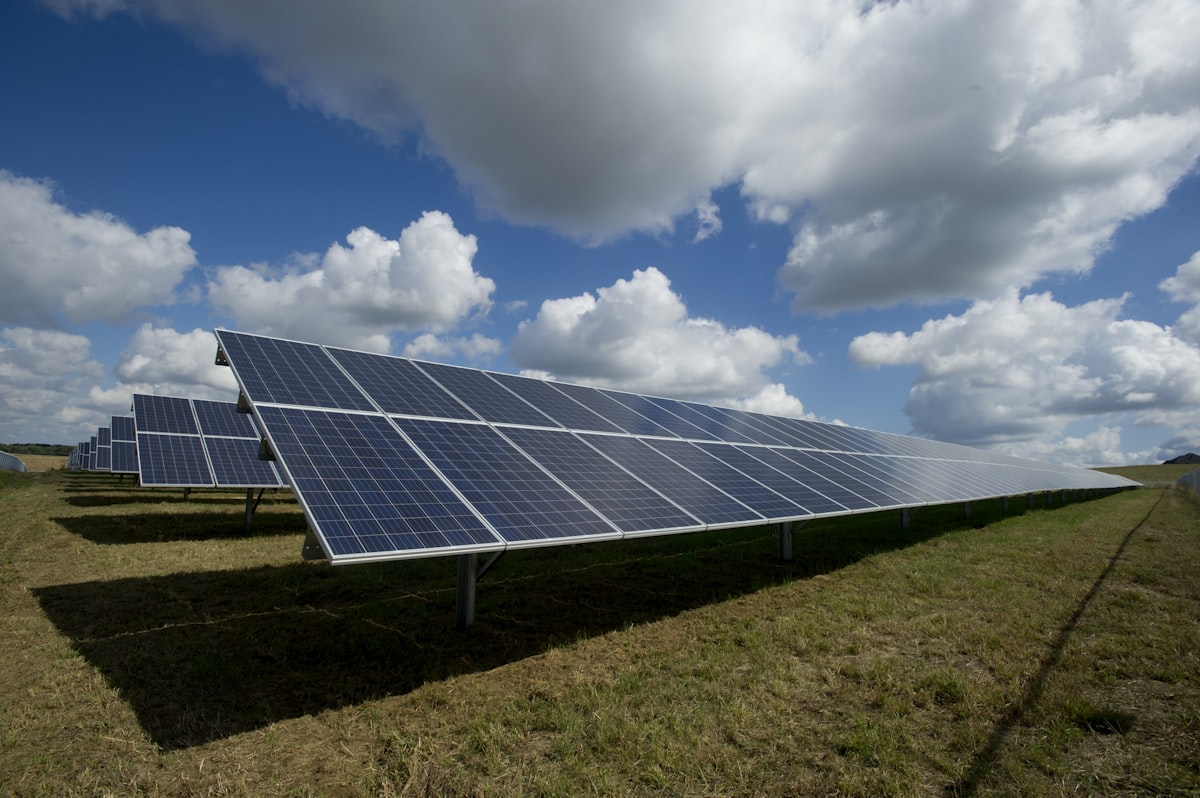
The REIPPPP remains the backbone of South Africa’s utility-scale renewable energy rollout. By 2025, the programme had procured over 11 000 MW of renewable capacity across solar PV, wind, concentrated solar power (CSP), small hydro, and biomass technologies. Multiple bid windows are in progress, with increasing emphasis on battery energy storage systems (BESS) to complement intermittent renewable generation.
2. Embedded Generation Reform
The amendment of Schedule 2 of the Electricity Regulation Act in 2021 — raising the licence-exempt embedded generation threshold to 100 MW — was a watershed moment. This reform unlocked a wave of private sector investment in on-site and wheeled generation. By 2025, South Africa’s embedded solar PV market had grown to several gigawatts, with commercial, industrial, and mining clients investing heavily in self-generation to reduce energy costs and improve reliability.
3. Municipal Independent Power Producers
Municipalities such as Cape Town, Ekurhuleni, and eThekwini have been pioneers in procuring power directly from independent power producers (IPPs). This shift in the distribution landscape is creating new opportunities for electrical engineers skilled in grid interconnection, power purchase agreement structuring, and substation design.
Eskom’s Reform and Unbundling
The restructuring of Eskom into three separate entities — Eskom Generation, the National Transmission Company of South Africa (NTCSA), and Eskom Distribution — is one of the most consequential reforms in the country’s energy history. The unbundling aims to separate transmission from generation to create a competitive wholesale electricity market, enable non-discriminatory third-party grid access, and attract private investment into generation and distribution infrastructure. For electrical engineers and firms, this creates both complexity and significant opportunity.
Smart Grid and Grid Modernisation
- Advanced Metering Infrastructure (AMI): Smart meter rollouts in metros enabling time-of-use tariffs, remote disconnection, and improved revenue protection.
- Distribution Automation: Fault location, isolation, and service restoration (FLISR) systems reducing outage durations in upgraded networks.
- SCADA and Energy Management Systems: Integration of renewable sources requiring sophisticated monitoring and control infrastructure.
- EV Charging Infrastructure: Growing electric vehicle adoption creating new demand for grid-connected charging installation expertise.
The Skills Crisis
Despite the surge in demand for electrical engineering services, South Africa faces a critical skills shortage. The Engineering Council of South Africa (ECSA) estimates the country needs to produce significantly more registered professional engineers annually to meet infrastructure targets. Emigration of skilled engineers, insufficient university throughput, acute artisan shortages, and transformation imperatives all contribute to capacity constraints felt across the entire value chain — from utility-scale renewable projects to routine commercial electrical installations.
Regulatory Landscape
- SANS 10142-1 (3rd Edition, 2021): Updated requirements for AFDDs, RCDs, and EV charging points — mandatory for all new electrical installations.
- NERSA Grid Code: Being updated to accommodate distributed generation, battery storage, and competitive wholesale market requirements.
- OHS Act — Electrical Installation Regulations: Standards for installation safety, Certificate of Compliance (CoC) requirements, and obligations of registered persons.
- ECSA CPD Requirements: Professional engineers must complete continuing professional development activities annually to maintain registration.
RTM Engineering’s Role
At RTM Supply & Engineering Services, we are deeply invested in the evolution of South Africa’s electrical engineering landscape. Our team brings practical experience across power distribution, instrumentation, lighting, fire detection, and security systems — gained in some of the country’s most demanding operational environments, including the power generation sector in Mpumalanga.
As a B-BBEE Level 1 engineering firm, we are also committed to the transformation of the engineering profession — mentoring emerging engineers, creating employment, and building technical capacity within the communities we serve in Emalahleni and across Mpumalanga.
Need Electrical Engineering Support?
RTM Supply & Engineering Services provides electrical engineering solutions for commercial, industrial, and institutional clients across South Africa.
📞 +27 84 036 6579 | ✉ info@rtmengineering.co.za | Get a Quote →